West Kent Local News

Homes & Prices: A Periodic Check-In - Early 2026
Housing remains one of the most closely watched - and most emotionally charged - parts of the UK economy. For many people it’s their biggest asset; for others, their largest ongoing cost. It’s also an area where headlines can quickly become noisy, particularly when words like “crash” start circulating.
This Periodic Check-In looks at what has genuinely changed in the housing market - and what hasn’t - using publicly available, first-party forecasts. National outlooks offer useful context, but outcomes still depend heavily on local conditions and individual circumstances.
What the verified forecasts say
At the start of 2026, two major property firms have published clear, first-party forecasts for the year ahead.
Rightmove expects asking prices across the UK to rise by around 2% in 2026. The forecast points to a market that is adjusting to higher interest rates rather than collapsing, with buyers remaining active where homes are realistically priced. Source: Rightmove 2026 UK house prices predictions
Jackson-Stops anticipates price growth of around 2% to 3%, describing a shift from a subdued period towards a steadier market. Their outlook suggests gradual improvement rather than a sharp rebound or downturn. Source: Jackson-Stops 2026 property market predictions
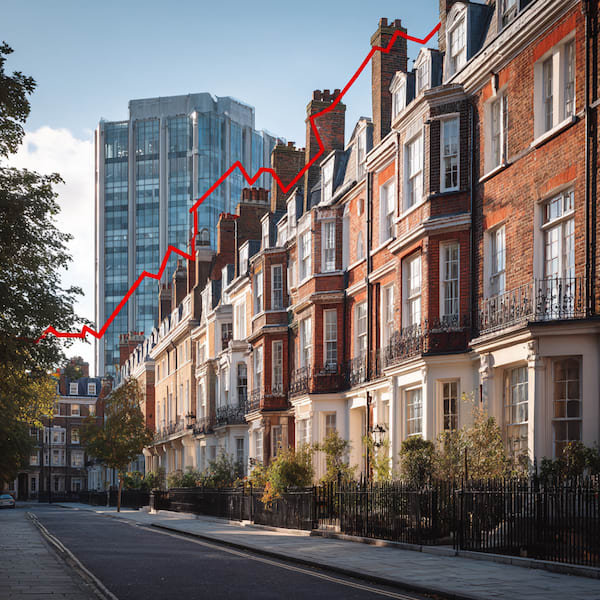
Taken together, these forecasts point towards low single-digit growth, not a nationwide crash.
What hasn’t changed
Despite frequent speculation, there has been no major revision to these forecasts so far. Expectations remain broadly consistent with the idea of a slower, more selective market rather than a sudden correction.
It’s also worth noting that different indicators measure different things. Asking prices, achieved sale prices, and local transaction volumes can all move at different speeds, which helps explain why experiences vary so widely between regions - and even between neighbouring towns.
Why local markets still matter most
National forecasts can only go so far. Housing outcomes are shaped by:
- Local supply and demand
- Transport links and employment hubs
- Property type and price bracket
- Individual buyer and seller circumstances
In practice, this means one area can remain competitive while another cools, even under the same national conditions.
What could change the picture
All current outlooks assume relative economic stability. Forecasts could change if there are major shifts in:
- Interest rates or mortgage availability
- Inflation and household finances
- Global economic conditions
- Geopolitical developments
Housing forecasts are not fixed promises - they are snapshots based on what is known today.
The takeaway
Based on the only clearly verifiable, first-party forecasts currently available, there is no strong evidence of a nationwide housing crash being predicted for 2026. Instead, expectations point to a slow, uneven market, where location and individual circumstances matter more than national averages.
This Check-In will be updated only when something meaningful changes.