West Kent Local News
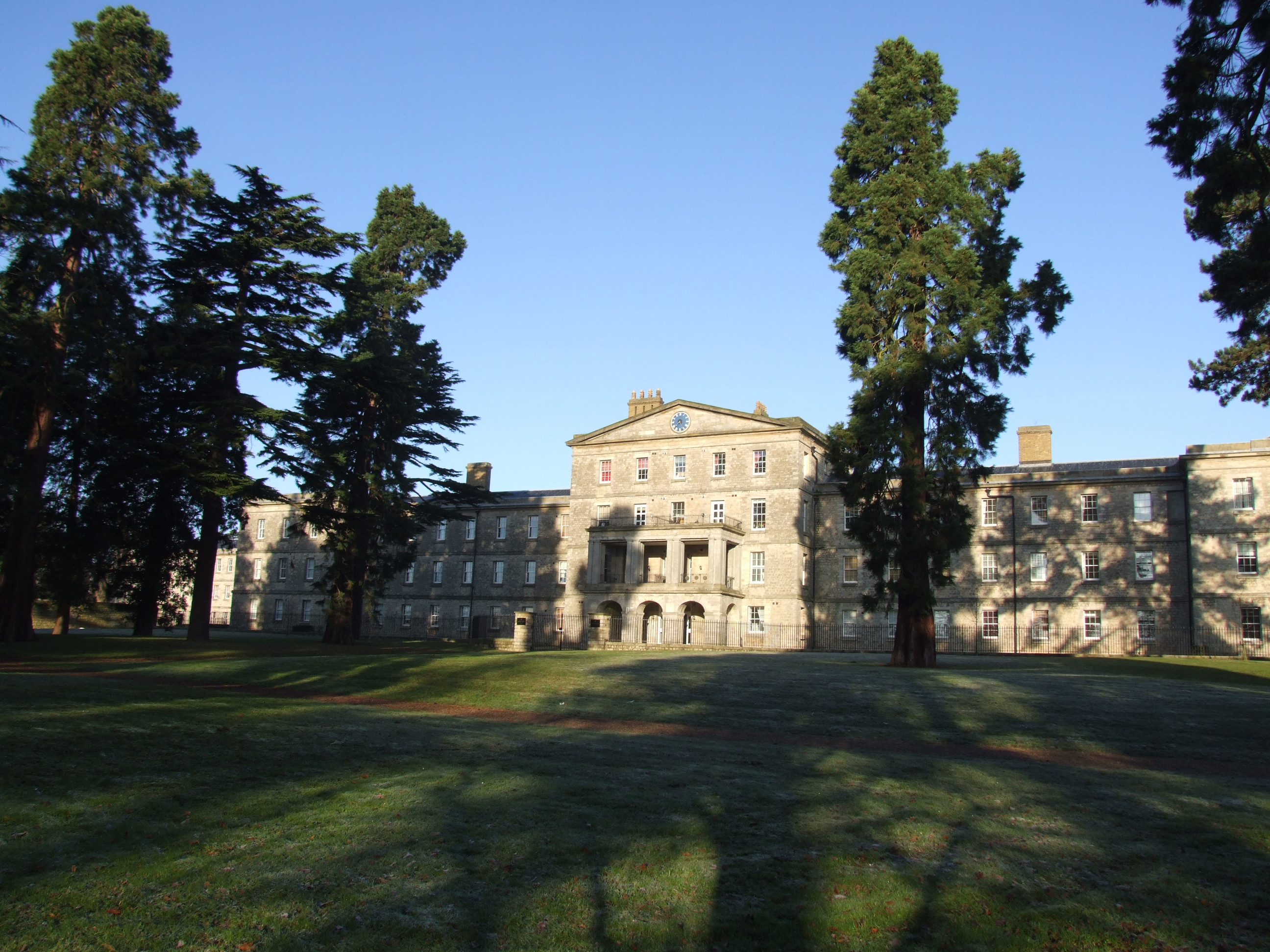
St Andrew's House, the surviving core of the former Kent County Lunatic Asylum at Barming Heath, now converted into residential flats. Image credit: Moriarty01 / Wikimedia Commons, CC BY-SA 3.0.
Oakwood Hospital, Barming: Built for 168 Patients, It Once Held More Than 2,000
Day 13 of 15. Yesterday's story was the 1927 Sevenoaks Rail Disaster, where an express train derailed into a bridge at Dunton Green and killed thirteen people. Today's is different in shape - not a single violent event, but a building: a Victorian asylum built to hold a few hundred people that was, within living memory, crammed with over 2,000 - and whose walls hundreds of Maidstone residents now live inside, mostly without knowing it.
🏚️ Built for 168, it eventually held thousands
The Kent County Lunatic Asylum opened at Barming Heath, just west of Maidstone, in 1833, designed by John Whichcord Snr, the county's own surveyor, who also designed Maidstone's county gaol. It admitted its first 169 patients that year, built to serve the whole of a county that then stretched as far as Greenwich. It didn't stay that size for long: a chronic-patients annexe opened in 1850, a chapel in 1852, the Hermitage Block between 1867 and 1872, and further male and female blocks in 1904-06. By the 1940s, Maidstone Borough Council's own records show the site was holding more than 2,000 patients - over ten times what it opened with. Among its 19th-century superintendents was Dr James Huxley, elder brother of the biologist Thomas Henry Huxley.
🔥 The fire of 1957
On the morning of 29 November 1957, fire broke out in a first-floor tailor's workshop. The fire brigade was called at 6:40am and arrived within four minutes; six pumps attended as staff evacuated 350 patients from the affected wing. The fire itself was out by 8am, but the block was gutted - and at 10am, a 120-foot ventilation tower that had appeared to survive the blaze without damage suddenly collapsed. Seven people died: three firemen, two nursing staff, the hospital's own printer, and a patient.
🪦 Thousands, one resting place
The hospital had its own cemetery, reached off Hermitage Lane on what is now Oakapple Lane. It closed to new burials in the 1950s, and today holds around 25 surviving headstones, a memorial cross and the former chapel - including one Commonwealth War Grave. Maidstone Borough Council, which took over responsibility for the site from the Department of Health in 2015, describes it plainly: it is “the final resting place for thousands of patients and staff from the hospital.” The overwhelming majority of those graves have no headstone at all.
😰 Why this one still unsettles people
Most entries in this series lean on a reported haunting or a piece of local folklore - we found no credible one here, and didn't go looking for one. What makes Oakwood unsettling today isn't a ghost story. It's the plainer fact that a building meant to hold a few hundred people was, within living memory, holding well over ten times that - and that the fear underneath it, of being confined somewhere you can't leave on someone else's say-so, hasn't gone anywhere. It's just moved out of the asylum and into quieter, more modern worries about institutional care, being disbelieved, and who gets to decide what happens to your own life.
🏡 Where it stands today
Renamed Oakwood Hospital in 1947, the site closed completely in 1994, its services absorbed into the new Maidstone Hospital. What's left became a private estate, St Andrew's Park, and several of the original buildings - St Andrew's House, Queen's House, the Beeches and two lodges - are Grade II listed and have been converted into flats and homes. The institution's name hasn't entirely disappeared either: Maidstone's Fant and Oakwood ward, a short distance away, still carries a version of it. The old asylum's own cemetery, off Hermitage Lane, is maintained today by the council as a small public garden, its boundary wall and footpaths restored in recent years.
🎃 💀 🎃
The countdown so far
🎃 15 Dark Tales of West Kent — the countdown so farSolid = published · dashed = still to come
13 of 15 published
PublishedToday’s storyNot yet published (location only)
SevenoaksTonbridge & MallingMaidstoneTunbridge Wells
Where it is
St Andrew's House, Barming Heath - the surviving Grade II listed core of the former Kent County Lunatic Asylum, now converted into flats.