West Kent Local News

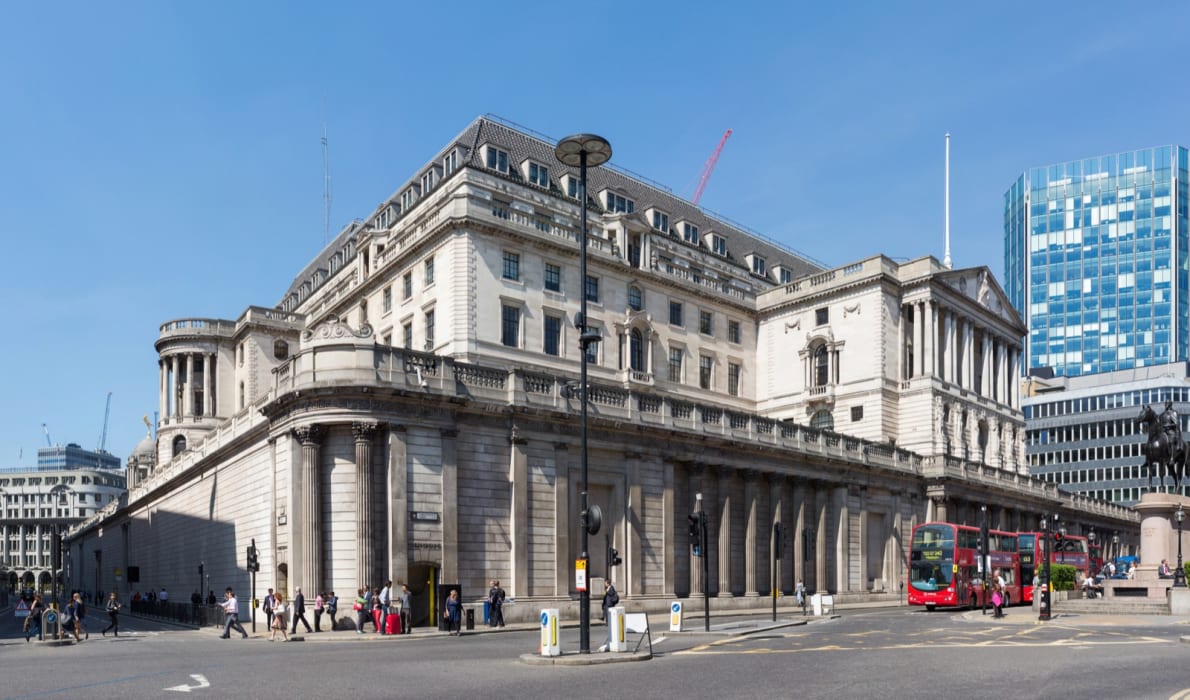
The Bank of England, Threadneedle Street, London (file photo). Image credit: Diliff / Wikimedia Commons, CC BY-SA 3.0.
Interest Rates Rise to 4% - What It Means for West Kent Businesses
The Bank of England raised its Bank Rate from 3.75% to 4% today, the first increase since August 2025. The Monetary Policy Committee voted 8-1 in favour of the quarter-point rise; the ninth member wanted to go further, to 4.25%.
Why now
The Bank's own reasoning centres on energy prices, not an overheating economy. UK inflation hit 3.5% in September and is now expected to reach around 5% by the middle of next year, driven largely by the conflict in the Middle East - now in its ninth month - pushing oil and gas prices up sharply. The Bank's minutes note that Brent crude and UK gas futures have averaged 38% and 81% higher respectively than assumed back in July. There's "limited evidence" so far of that feeding into wages or other prices, but the Committee judged the risk had grown large enough to act now rather than wait.
Bank Rate, last 5 years
Today's rise takes Bank Rate back to exactly where it stood in August 2025, reversing the quarter-point cut made last December - but still well below the 5.25% peak reached in 2023. The next decision is due on 17 December.
What it means for business
Rising rates mean higher borrowing costs for any business with a loan, overdraft or variable-rate commercial mortgage - and the British Chambers of Commerce argues that's the wrong medicine for the wrong diagnosis. David Bharier, the BCC's Deputy Director, said: "The current rise in inflation is largely driven by energy costs from the conflict in Iran, not an overheating economy. Our data shows that now only 17 per cent of firms are increasing investment... A rate rise is an insurance policy against [a wage-price spiral]. But after a Budget which gave businesses little incentive to invest, and with borrowing costs already high, it is economic growth that will pay the premium."
The local number that already told this story
West Kent firms didn't need today's decision to tell them energy costs were a problem. Every quarter, Kent Invicta Chamber of Commerce surveys its members, and its most recent results - from summer 2026 - found that around 6 in 10 Kent businesses said they'd already been hurt by the conflict driving up energy prices, months before the Bank cited the same conflict as its reason for raising rates today. The same survey found UK sales evenly split between firms doing better and worse, and hiring mostly replacing leavers rather than real growth - a mixed picture even before borrowing got more expensive.
Source: Bank of England, British Chambers of Commerce, and Kent Invicta Chamber of Commerce's Quarterly Economic Survey.