West Kent Local News
Walking Football at Tonbridge Angels Proves a Lifeline for Local Players
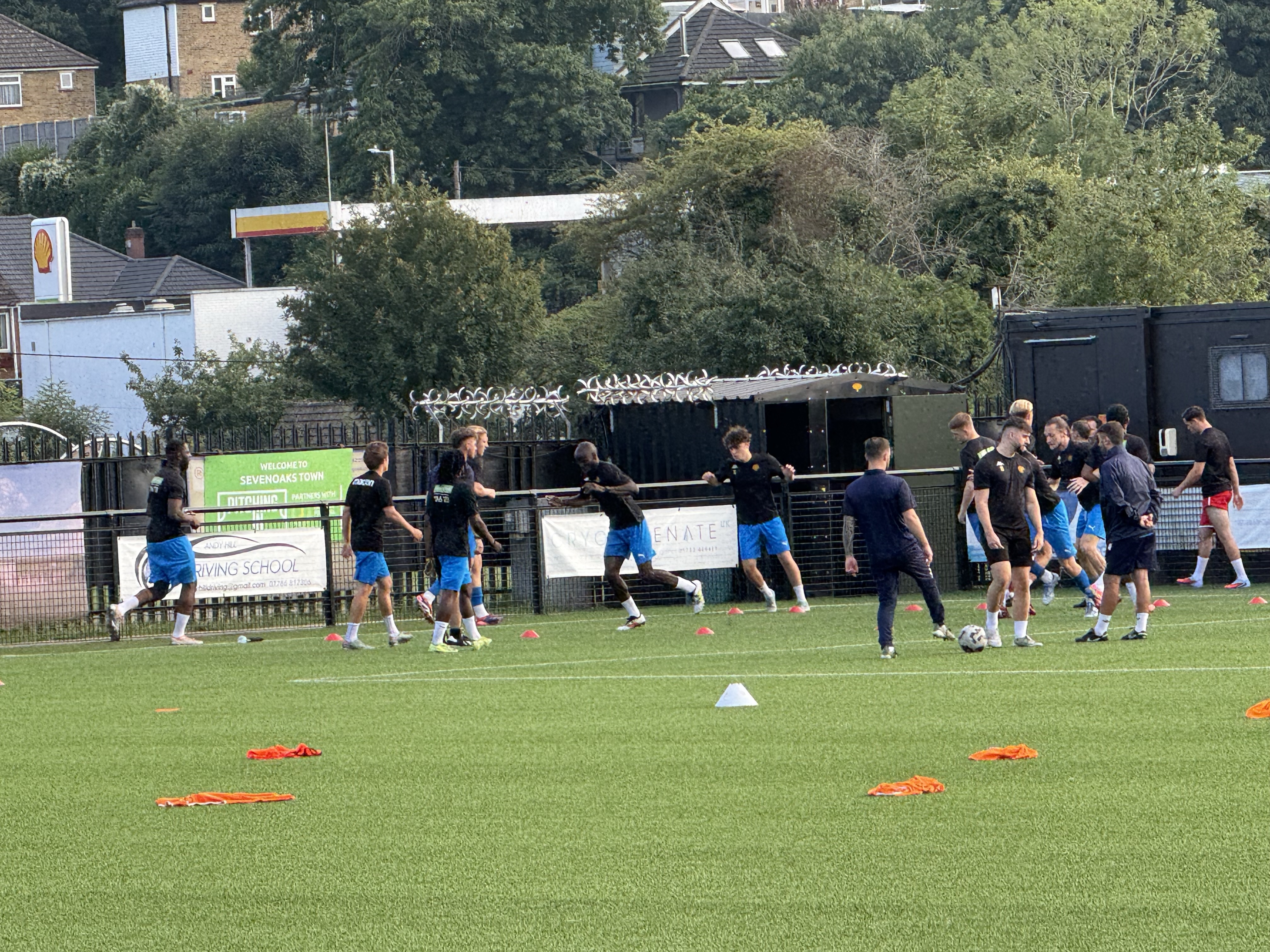
There's something quietly brilliant happening on the pitches at Tonbridge Angels, and it's not necessarily the senior squad's results. It's the Walking Football sessions, a slower-paced, no-running version of the game that's become a genuine highlight of the week for dozens of local people — many of whom hadn't kicked a ball since their playing days ended decades ago.
The programme sits under the newly established Tonbridge Angels Foundation, a registered charity set up last year to build on the club's existing Angels in the Community work. It's currently steered by four trustees — John Garwood, Brian Purves, Mark Cornish and Wink Tomkinson — who are actively looking for more volunteers to help expand the club's community reach, from the senior squad down to walking and pan-disability football.
But it's the walking footballers who've stolen the show so far. An impact assessment completed by 59 participants this year found an average satisfaction score of 4.7 out of 5, with 43 people rating the sessions the full 5 out of 5. Perhaps more tellingly, over 70% of those surveyed have been coming along for more than a year — this clearly isn't a passing fad, it's become part of people's weekly rhythm.
Community Development Officer Dom Welsh, who oversees the programme, says the benefits go well beyond fitness. "The programme is delivering far more than opportunities to play football—it is improving physical health, supporting mental wellbeing, reducing social isolation and creating a genuine sense of belonging." Plenty of the players are people who've had to give up traditional 11-a-side football after injury or simply getting older, and walking football has given them a way back onto the grass without the strain on ageing joints.
What really comes through in the survey, though, is the human side of it. People describe finding "structure, purpose and something to look forward to each week", and several spoke candidly about battling loneliness and mental health struggles before finding their feet — sometimes literally — with the group. One participant told the survey they'd gone from having just a handful of close friends to being part of a friendship group of more than 30 people, a reminder of how much a regular kickabout can do for someone's social world. Others pointed to the club's ethos that "no one is left behind", which seems to sum up the atmosphere on and off the pitch.
For a club that's always been woven into the fabric of Tonbridge, this feels like a natural extension of that role. Welsh is clear that the ambition doesn't stop here: the Foundation wants to keep growing participation and says the funders behind the scheme have been instrumental in keeping it going. Anyone who fancies lending their time or expertise as a trustee, or simply wants to find out more about joining a session, is being encouraged to get in touch with the club.