West Kent Local News
1 / 2
The view across the Weald from the Greensand Way path near Ightham Mote.
Ightham Mote: The 700-Year-Old Manor House an American Businessman Saved - Then Gave Away
Most of West Kent's grand old houses passed down through English families for centuries. Ightham Mote didn't - its survival comes down to three local men who refused to let it be torn down, and an American who bought it on a whim and ended up giving it away.
Nearly demolished for the lead on its roof
Ightham Mote's core dates to the 1340s, and remarkably little about its structure has changed since - architectural historian John Newman called it "the most complete small medieval manor house in the county". That survival was never guaranteed. When the last baronet to own it, Sir James Colyer-Fergusson, inherited crushing repair costs in 1951, he sold the house and auctioned off most of its contents. There was serious talk of demolishing it to harvest the lead from its roofs, or converting it into flats. Instead, three local men - William Durling, John Goodwin and John Baldock - bought the freehold between them for £5,500, simply to buy the house time.
The American who gave it away
That time ran out in 1953, when the house was bought by Charles Henry Robinson, an American businessman from Portland, Maine. He'd known the place from holidays in England in the 1920s and, years later, happened to spot it for sale in the pages of Country Life. For tax reasons he lived there only fourteen weeks of the year, using the time to carry out urgent repairs and refurnish parts of the house with 17th-century English pieces. In 1965 - with decades still to live - he announced he would leave Ightham Mote and its contents to the National Trust. He died in 1985, and his ashes were immured just outside the house's crypt; the Trust took possession that same year, and ran a 15-year conservation project from 1989 that dismantled and rebuilt much of the structure, recording centuries of construction methods - and deathwatch beetle damage - along the way.
A Victoria Cross, and a house full of visitors
The Colyer-Fergussons who owned the house before Robinson left their own mark: a wooden cross in the New Chapel memorialises Riversdale Colyer-Fergusson, the family's third son, who was awarded a posthumous Victoria Cross after dying at 21 in the Third Battle of Ypres in 1917. Decades earlier, the house had briefly become a gathering point for the Aesthetic Movement, when American railway magnate William Jackson Palmer rented it in the late 1880s and hosted visitors including John Singer Sargent, Henry James and Ellen Terry. The artist Samuel Palmer - no relation - painted the house around 1828, by which point part of it had been converted into an oast house.
Visiting
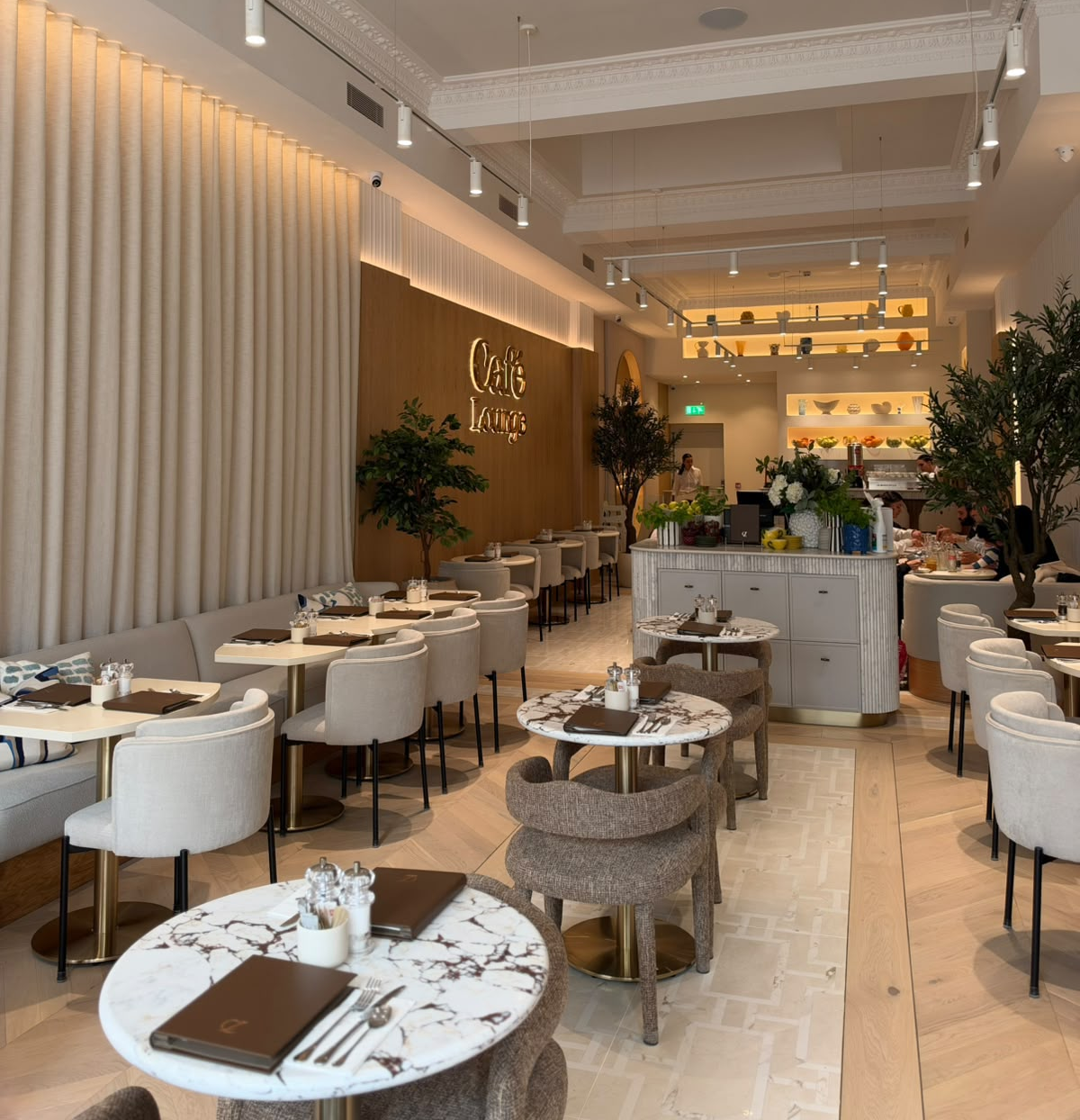
Ightham Mote, its gardens and wider estate are open daily at Mote Road, Ivy Hatch, near Sevenoaks, TN15 0NT, with the house, café, garden and shop all typically running 10am-5pm or 11am-5pm depending on the area, and no booking required. Adult admission is currently £19 without Gift Aid (£20.90 with), though it's worth timing a visit carefully: the house itself closes to visitors between 2 and 20 November 2026 for a garden-and-estate-only period (cheaper entry, at £8.50 for adults), before reopening for a festive ticket from 21 November to 3 January. National Trust members get in free year-round. There's a sizeable main car park on site (free for members, £4 for everyone else, coins only), and the estate also has its own café if you'd rather just stop for a coffee than pay for the full house-and-garden ticket.
Where it is
Not just a day-trip destination
Plenty of visitors never drive here at all - Ightham Mote sits right on the Greensand Way, the long-distance path that runs the length of the Greensand Ridge across Surrey and Kent, which makes it a natural stopping point rather than a dead end. One Tree Hill, another National Trust spot a couple of miles west at Underriver, sits on the same ridge, and the walk between the two - with the ground falling away to wide views over the Low Weald on a clear day - is a popular there-or-back route for a reason. Shipbourne, a mile or so to the east, is close enough to fold into the same walk.
What a house like this costs to live near
Living in Ightham itself doesn't come cheap. HM Land Registry's Price Paid Data records seven standard (category A) residential sales in the Ightham locality over the past four years, ranging from a £685,000 semi on Walker Place (2024) to a £1.7 million detached house on Oldbury Lane (2022) - an average across those seven of just over £1.1 million. Treat that as a snapshot rather than a robust average, given how few sales a village this size sees in any given year, but it's real data, not a guess.
Ightham Mote sits in the civil parish of Ightham, administratively part of Tonbridge and Malling borough, with the village itself - and its own Grade I listed church, St Peter's, where the house's first known owner Sir Thomas Cawne is memorialised - just over a mile away. Sources: National Trust and HM Land Registry Price Paid Data.