West Kent Local News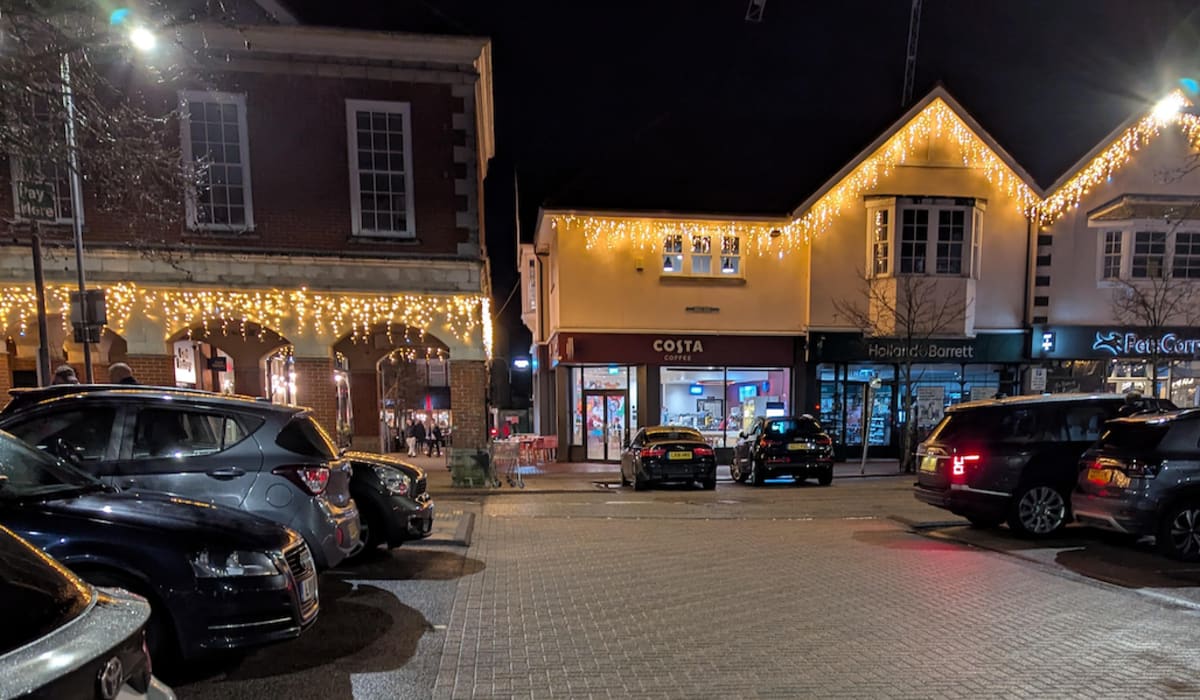
Costa Coffee in Sevenoaks
Why Costa Coffee’s Future Is Being Questioned - And Why It Feels Surprising in West Kent
For many people across West Kent, the idea that Costa Coffee might be struggling feels hard to reconcile with everyday experience. Cafés in Tonbridge, Tunbridge Wells, Sevenoaks and Maidstone often appear busy, with steady queues and constant takeaway traffic. Costa outlets are also everywhere - on high streets, in shopping centres, at railway stations and even inside petrol stations.
Yet behind that visibility, Costa Coffee has recently been at the centre of growing questions about its long-term value and future ownership.
Why no one seems keen to buy Costa
Recent national reporting has highlighted a striking fact: despite Costa being one of the UK’s most recognisable brands, there has been little appetite from buyers. Its owner, The Coca-Cola Company, reportedly explored options around selling the chain, only for those plans to be dropped amid concerns about Costa’s performance and outlook.
The issue is not brand awareness or customer recognition. Costa scores highly on both. The challenge lies in the structure of the business itself. Large, asset-heavy chains with thousands of locations are expensive to run and difficult to reshape quickly. For potential buyers, Costa represents a business with significant exposure to rising operating costs, long leases, and a highly competitive market.
In simple terms: Costa is big, familiar, and busy - but also complex and costly.
The pressure behind the counter
Costa operates in a sector that has changed rapidly. Labour costs have risen, energy prices have remained volatile, and supply chains have become more expensive. At the same time, the UK coffee market is crowded, with independents, premium brands, drive-through formats and supermarket coffee all competing for the same customers.
For investors, that combination can make growth harder to guarantee. A café that looks healthy on the surface may still deliver returns that are less attractive than those available elsewhere in retail or hospitality.
What this means for West Kent
Locally, Costa is more than just a coffee chain. In many West Kent towns, it functions as a meeting point, a workspace, or a convenient stop for commuters and families. Its presence contributes to footfall on high streets and retail parks, and it provides jobs across multiple locations.
The current discussion around Costa is not about closures or immediate change. Cafés across the area remain open and well-used. However, the wider uncertainty does underline how exposed even very established chains are to shifts in costs, consumer behaviour and investor confidence.
A wider signal for the high street
Costa’s situation is less a story of sudden decline and more a reflection of the pressures facing large hospitality businesses in today’s economy. Being “everywhere” no longer guarantees resilience. Scale brings visibility, but it also brings risk.
For West Kent residents, the takeaway is not that Costa is disappearing, but that the familiar shape of the high street is under constant negotiation. Chains that feel permanent can still find themselves under scrutiny - even when the tables look full and the coffee machines never stop.