 West Kent Local News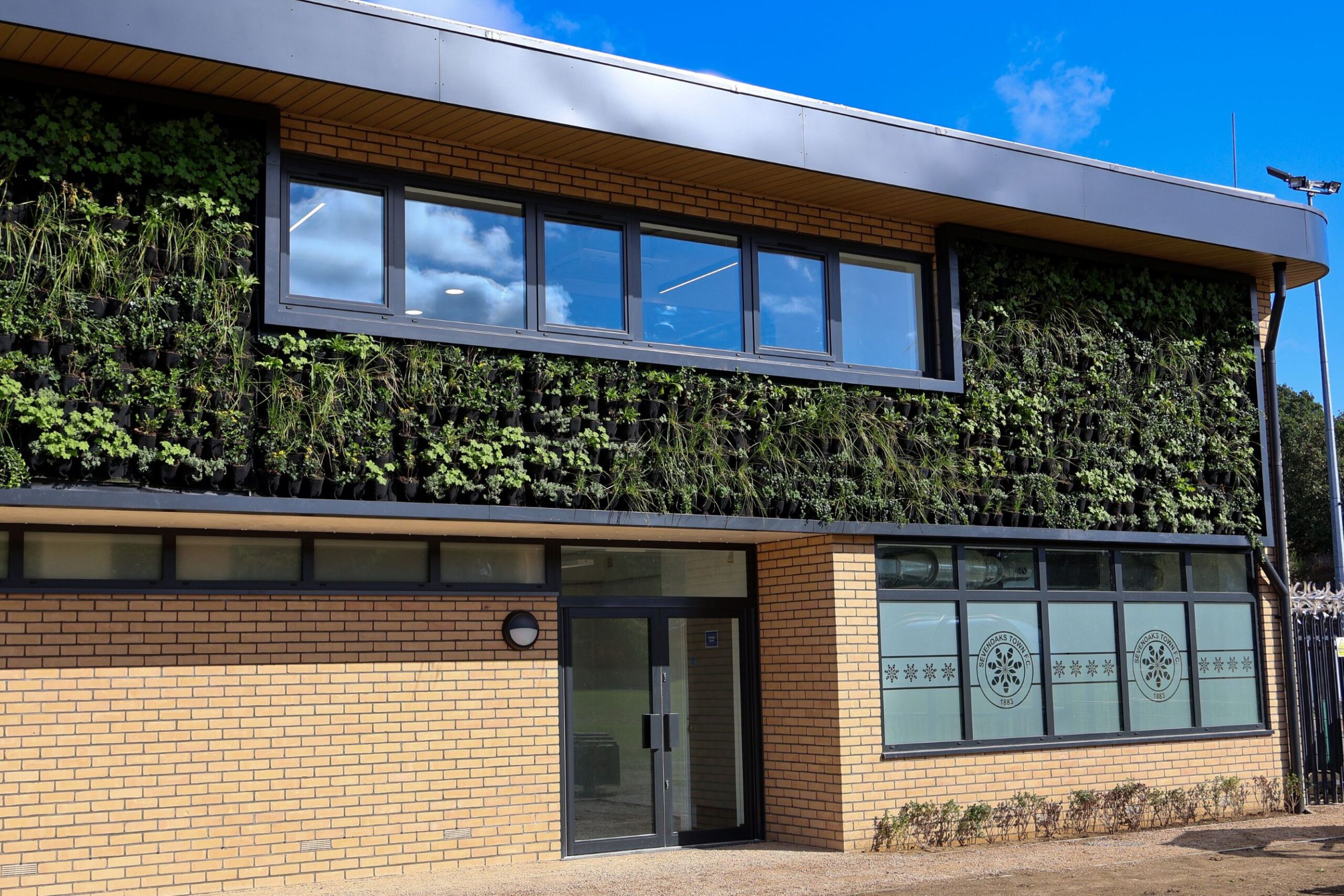
Greatness Football & Community Centre, Sevenoaks - built with over £1 million in CIL funding, and now cited by the Town Council as an example of what's at stake. Image: Sevenoaks Town Council.
All Four Sevenoaks District Town Councils Object to Plan to Scale Back Developer Levy
All four town councils in the Sevenoaks district - Sevenoaks, Swanley, Edenbridge and Westerham - have jointly objected to Sevenoaks District Council's plan to stop charging developers its Community Infrastructure Levy (CIL) on most new housing, warning it would cut the funding that currently flows straight to their own towns.
What the district wants to change
Sevenoaks District Council's draft revised CIL Charging Schedule, consulted on between 6 August and 17 September, would remove CIL from residential developments of 10 or more homes and from all non-residential development. CIL would still apply to smaller residential schemes of 1-9 homes. In place of CIL, larger developments would instead be expected to fund their infrastructure impact through individually negotiated Section 106 agreements.
Why the town councils object
The four town councils submitted a joint response setting out shared concerns, plus a supplementary response from Sevenoaks Town Council covering points specific to the town. Between the two, their objections include: the 10-home threshold itself, which they want raised to 150 or more homes; a call for guaranteed minimum Town and Parish involvement in future Section 106 negotiations, including over new community assets; concern that smaller organisations would lose the ability to bid for a share of CIL funding the district retains; and the time, cost and administrative burden Section 106 negotiations already place on smaller councils, illustrated with local examples.
Why it matters for town-level projects
Under the current system, a quarter of the CIL collected in a town or parish is passed directly to that Town or Parish Council, to spend on local priorities. The remaining 75% stays with the district, which invites town and parish councils and other community groups to bid for it through its CIL Spending Board. Sevenoaks Town Council points to its own newly opened Greatness Football & Community Centre as an example of what that money delivers in practice: the £787,500 it received from the district's CIL board, on top of £221,100 of its own locally-retained CIL, was central to the project's funding. Section 106 agreements work differently - tied to a specific development's own impact, rather than a pooled fund local councils can apply to - and the town councils argue that shifting weight onto them risks narrowing communities' say over how developer money gets spent, even if the total amount collected doesn't change.
Sevenoaks Town Council says it will keep engaging with the district council as the proposed changes progress; no date has yet been set for a decision. Source: Sevenoaks Town Council, Sevenoaks District Council - Community Infrastructure Levy






