West Kent Local News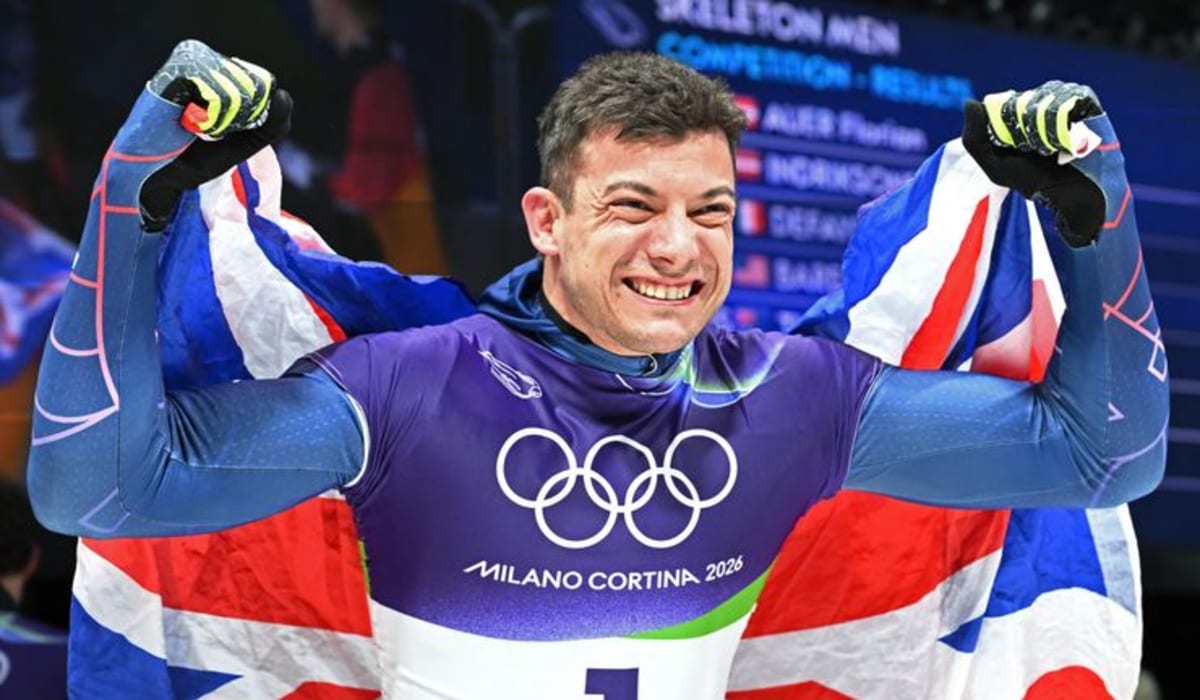
Reinvention on Ice: The Story Behind Matt Weston’s Rise
Matt Weston’s achievements can be easily listed: Olympic gold in 2026, world titles, European dominance and multiple overall World Cup wins. On paper, he now stands alongside Lizzy Yarnold as one of Britain’s most decorated Winter Olympians. Yet the most compelling part of his story is not the medals themselves, but the unexpected journey that led him to them - a journey shaped by loss, reinvention and the willingness to begin again.
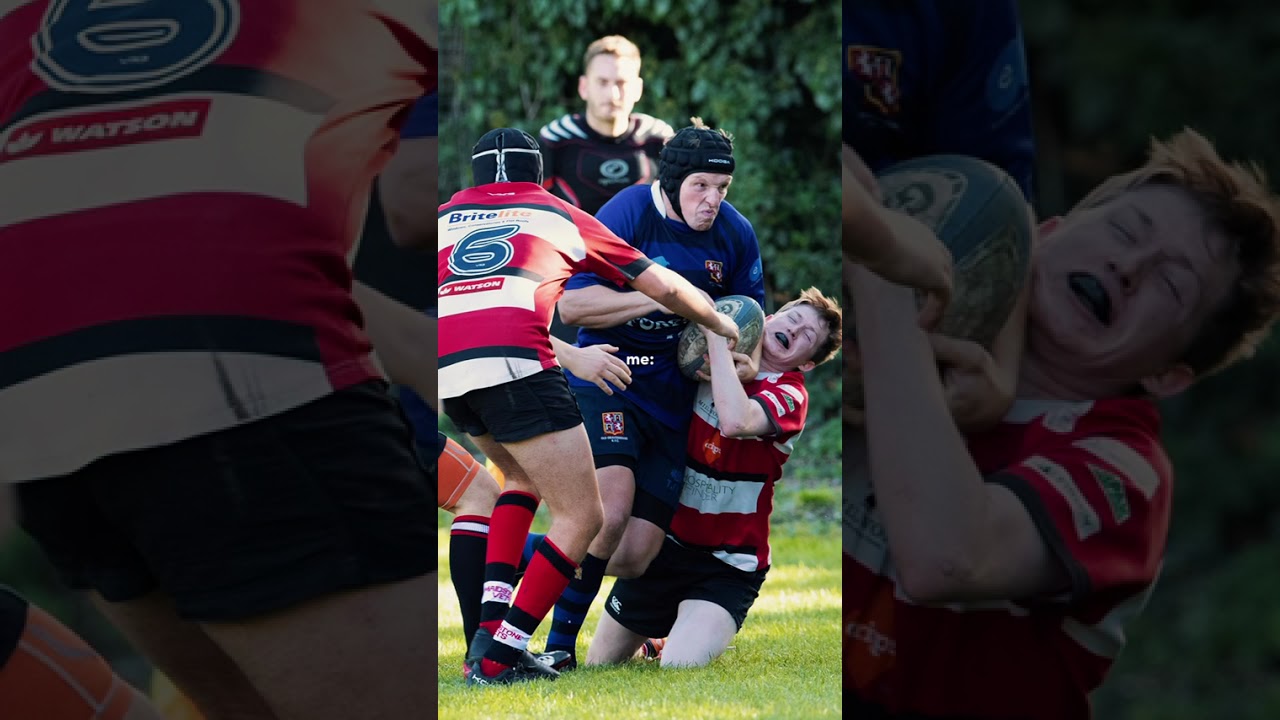
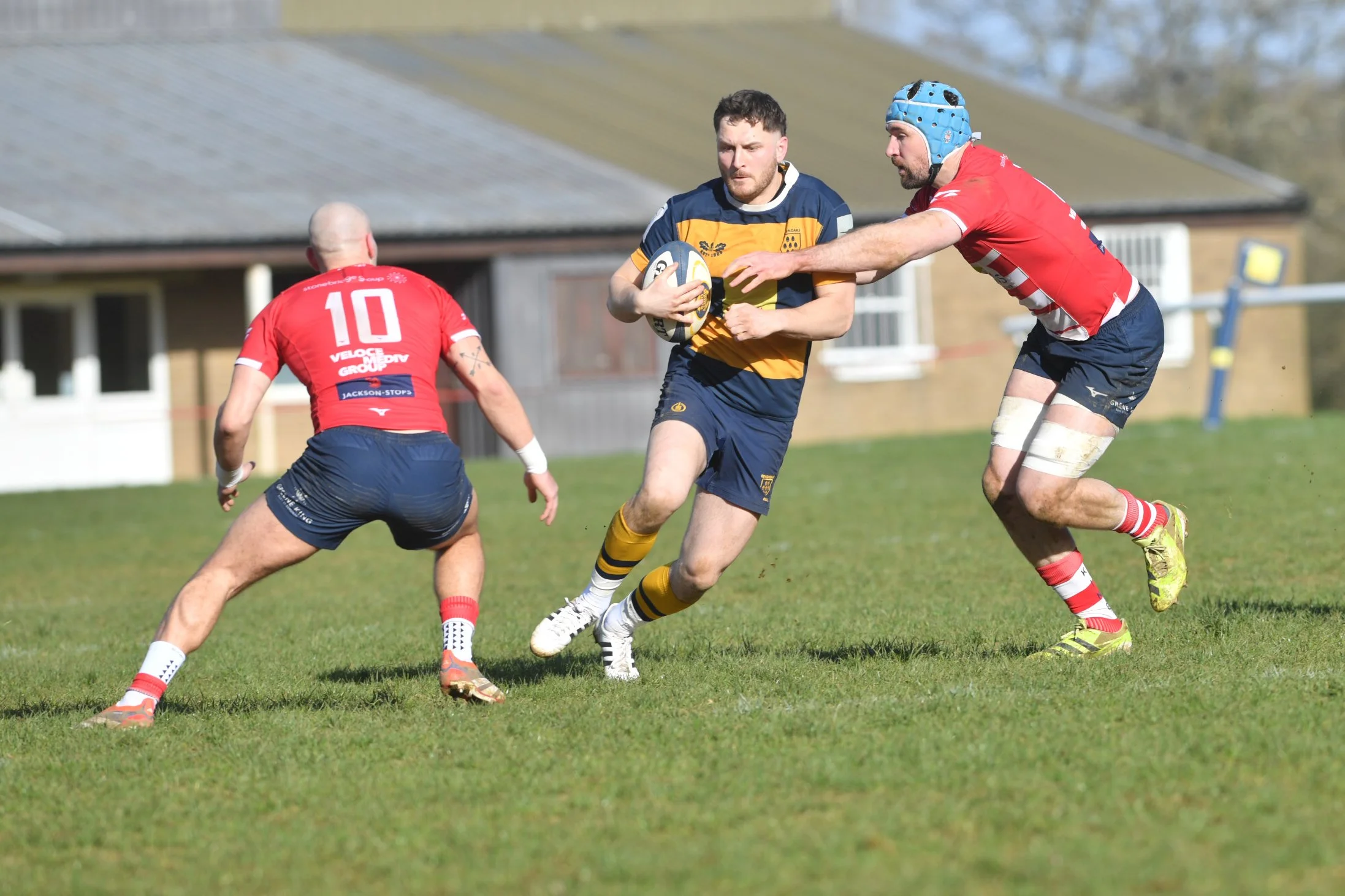
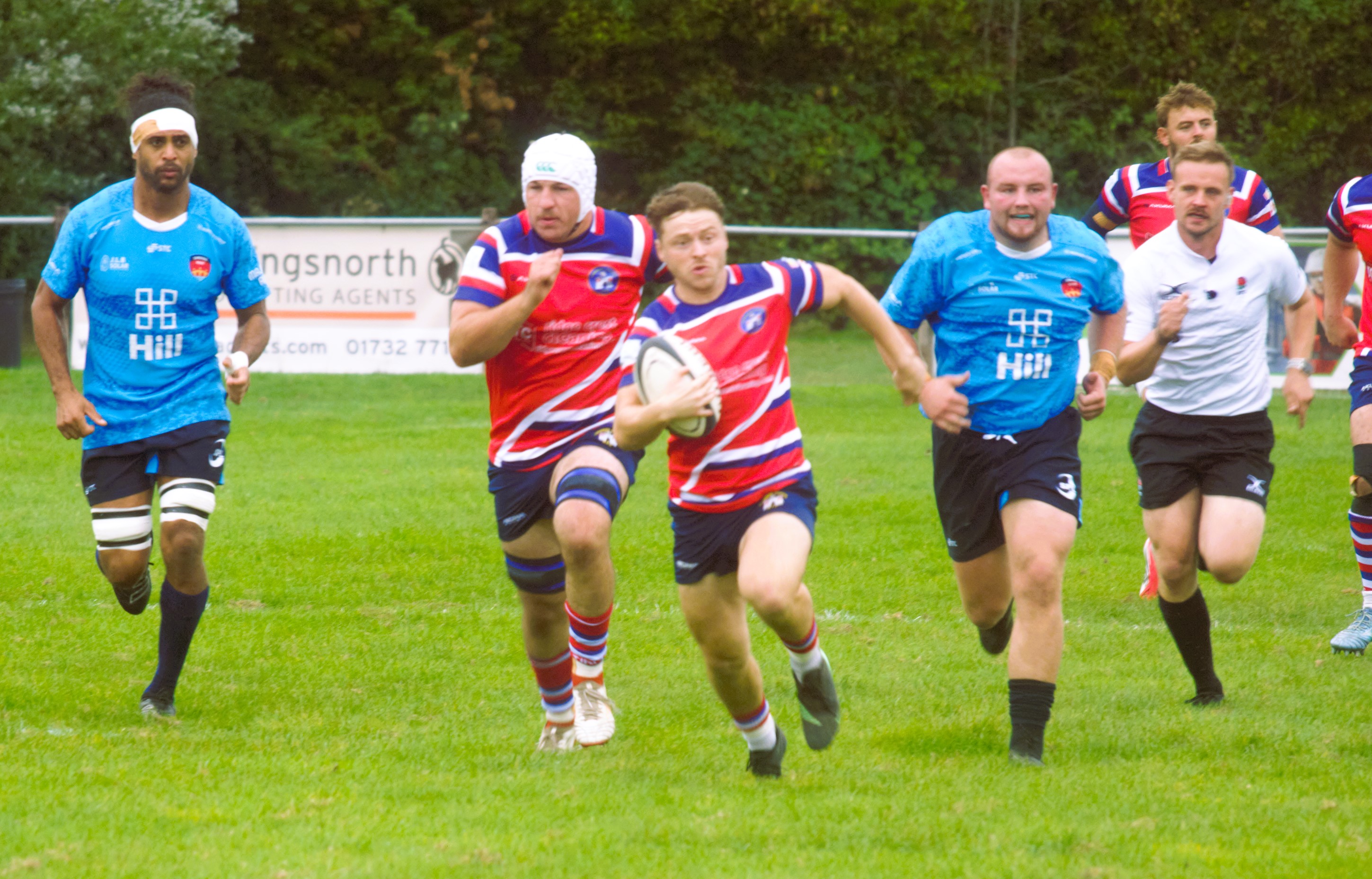
Weston did not grow up dreaming of skeleton racing. His early sporting life was defined by rugby and taekwondo, competing at national and European level while representing Kent. That trajectory, however, came to an abrupt halt when a stress fracture in his back forced him to step away from combat sport. For many athletes, such an injury marks the end of ambition; for Weston, it became a moment of redirection. In 2017, encouraged by his fitness coach, he entered UK Sport’s Discover Your Gold talent identification programme. Testing revealed that his physical profile suited skeleton - a sport he had never previously considered. After undergoing demanding physical and psychological trials, including training alongside Royal Marines, Weston committed to this new and unfamiliar path.
Progress came quickly. Within four years, he claimed his first World Cup victory, and by the time he arrived at the 2022 Winter Olympics, he was already among the emerging talents in the discipline, finishing in 15th place. That result proved to be a starting point rather than a peak. Over the next few seasons, Weston’s development accelerated dramatically: he became European Champion in 2023, secured his first world title later that same year, and followed this with consecutive overall World Cup titles. By 2025, he had added a second world championship to his record, establishing himself as one of the sport’s dominant figures.
The defining moment came at the 2026 Milan–Cortina Winter Olympics, where Weston not only won gold in the men’s skeleton event but followed it with another victory in the mixed team competition. In doing so, he became the first British athlete to win two gold medals at a single Winter Olympics and the first British male athlete to claim an individual Winter Olympic gold since 1980. It was a breakthrough that extended beyond personal success, reinforcing Britain’s growing reputation in a sport where the country holds no natural geographical advantage.
Although born in Redhill, Weston grew up in nearby Crowborough and attended school in Tunbridge Wells. His sporting foundations were laid not in elite winter environments but in local rugby pitches and martial arts competitions. His rise illustrates a changing reality in modern sport - one in which talent can be discovered, reshaped and redirected into entirely new disciplines.
Today, Weston is recognised as a double Olympic champion, a multiple world champion and a consistent leader in the World Cup standings. More significantly, his story reflects adaptability rather than inevitability. His path to success was not linear but rebuilt after disruption, demonstrating that the end of one sporting journey can, under the right circumstances, become the beginning of another.