West Kent Local News
Did England park the bus too early against Argentina?
England’s World Cup dream ended in painful fashion on Wednesday night as Argentina came from behind to claim a dramatic 2-1 semi-final victory.
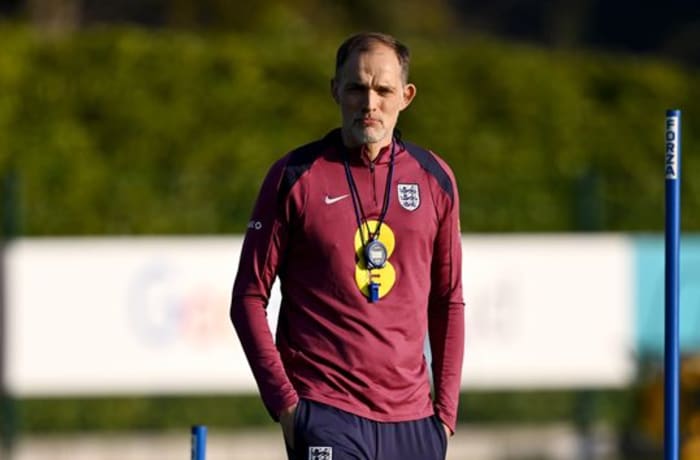
For more than an hour, Thomas Tuchel’s England had looked capable of reaching their first World Cup final since 1966.
England started the game sharply, attacked with confidence and caused Argentina genuine problems. They were organised without the ball but were not simply sitting back, regularly moving forward and looking dangerous when possession changed hands.
That positive approach was rewarded in the 55th minute when Anthony Gordon finished a quick England attack to put the Three Lions ahead.
At that point, England appeared to have Argentina unsettled. However, instead of continuing to press for a second goal, Tuchel’s side gradually retreated.
More defenders were introduced, England’s shape became increasingly cautious and the team struggled to keep possession. In football terms, England appeared to “park the bus”, concentrating almost entirely on protecting their penalty area.
The expression refers to a team placing so many players behind the ball that it becomes extremely difficult for the opposition to find a route towards goal. It can work, particularly during the final few minutes of a match, but England attempted to protect their narrow advantage for too long.
The change also handed Argentina control of the game.
Lionel Messi was given increasing space to receive the ball, look up and influence attacks around England’s defensive area. With England’s midfield pushed closer to its own goal, Argentina had time to recycle possession and try again whenever an attack broke down.
The pressure eventually became too much.
Enzo Fernández equalised in the 85th minute before substitute Lautaro Martínez completed the comeback in stoppage time, scoring from Messi’s delivery and sending Argentina into the final against Spain.
Tuchel’s decisions will inevitably be debated.
Defending a lead against the reigning world champions is understandable, particularly with Messi still capable of deciding a match in seconds. However, England had looked at their best while attacking and playing with confidence.
By abandoning that approach, they stopped asking Argentina questions and allowed their opponents to concentrate entirely on breaking down an increasingly crowded defence.
England did not lose because defending is always the wrong decision. They lost because they appeared to begin defending the result too early.
For supporters across West Kent watching in homes, pubs and local clubs, it was a particularly frustrating ending because England had shown during the opening hour that they were capable of matching Argentina.
The disappointment will take time to pass, but England still have one match remaining. They will face France in the third-place play-off on Saturday, while Argentina will meet Spain in Sunday’s World Cup final.